Table of Contents
ToggleBold Innovations in Tesla AI Smart Cars
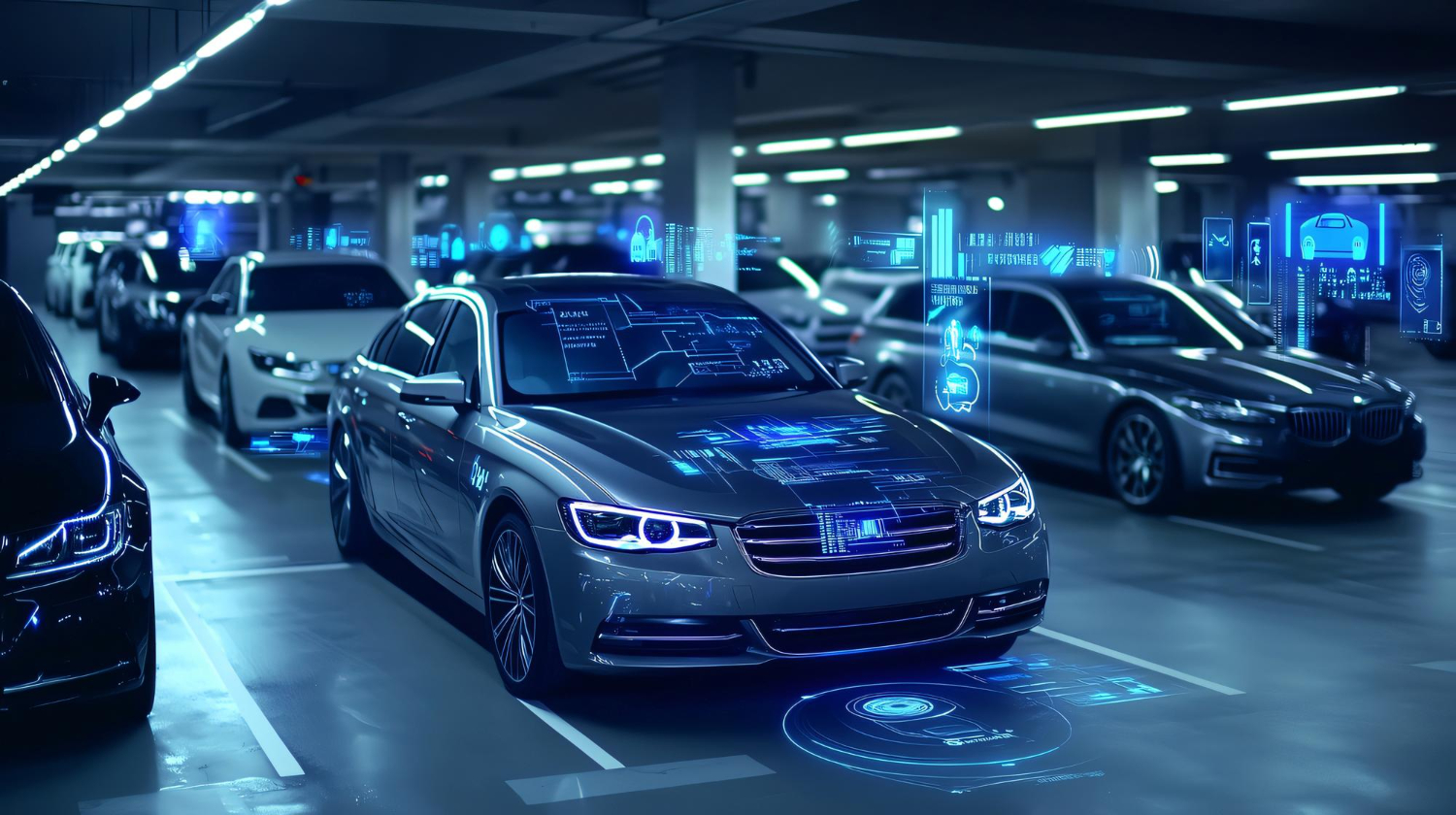
Artificial intelligence is rapidly transforming modern technology, from smartphones to cloud computing platforms. Events like the Google I/O 2025 AI reveals show how major tech companies are accelerating innovation in machine learning, automation, and intelligent systems. In the automotive world, Tesla stands at the forefront of this revolution.
Tesla’s AI smart cars are not just electric vehicles; they are intelligent machines powered by advanced neural networks, real-world data, and continuous software updates. With Full Self-Driving (FSD), the Dojo supercomputer, Hardware 4, and the upcoming Cybercab robotaxi, Tesla is redefining the future of autonomous driving.
The Core of Tesla AI Smart Cars: Full Self-Driving (FSD)
Tesla approaches vehicle manufacturing differently than traditional automakers. Instead of building a car and adding software later, Tesla designs its vehicles around artificial intelligence from day one.
Each Tesla is equipped with a vision-based system powered by multiple cameras, advanced onboard AI chips, and machine learning algorithms. Unlike competitors that rely heavily on LiDAR, Tesla focuses on computer vision and neural networks to interpret surroundings.
This strategy allows Tesla to gather massive amounts of real-world driving data from its global fleet. Through fleet learning, vehicles continuously improve as data is processed and refined. Over-the-air software updates ensure that Tesla owners receive performance and safety enhancements without visiting a service center.
Full Self-Driving (FSD): The Core Technology
When people ask, “How does Tesla AI work?” the answer starts with Full Self-Driving.
Tesla’s FSD system is an advanced driver-assistance system (ADAS) designed to move toward Level 5 autonomy. Current capabilities include:
Automatic lane changes
Highway navigation
Traffic light and stop sign recognition
City street driving assistance
Smart parking and Summon
Although Tesla FSD is not fully autonomous yet, it continues to evolve through constant software refinement. Billions of miles of real-world driving data help improve how the system handles complex traffic situations, pedestrians, and unpredictable road conditions.
Tesla’s long-term goal remains clear: safe, reliable, fully autonomous transportation.
Dojo Supercomputer: Training the AI Brain
Behind every smart Tesla vehicle is an enormous amount of data processing. That’s where the Dojo supercomputer plays a critical role.
Dojo is built specifically to train Tesla’s neural networks using vast amounts of video footage collected from vehicles worldwide. Training AI models for autonomous driving requires immense computing power, and Tesla developed Dojo in-house to accelerate this process.
By optimizing AI workloads, Dojo enables faster model improvements and quicker deployment of FSD updates. This tight integration between hardware, software, and AI training gives Tesla a strong competitive advantage.
Hardware 4: Enhancing the Capabilities of Tesla AI Smart Cars
Tesla’s Hardware 4 upgrade represents a significant step forward in onboard AI performance.
HW4 includes:
Higher-resolution cameras
Improved sensor clarity
More powerful AI chips
Enhanced data processing speeds
This upgrade allows Tesla AI smart cars to analyze surroundings more accurately and respond to dynamic driving conditions in real time.
Much like how consumers analyze the iPhone 17 rumored features to evaluate performance upgrades and hardware improvements, Tesla owners closely follow each hardware iteration to understand how it enhances vehicle intelligence and safety.
Hardware advancements ensure that Tesla vehicles remain capable of supporting future autonomous features.
Tesla Vision vs LiDAR Debate
A key discussion in autonomous driving technology is whether vision-based systems are sufficient without LiDAR.
Tesla believes that cameras combined with AI-driven neural networks can achieve human-level perception. Since humans rely primarily on vision to drive, Tesla’s philosophy is that advanced computer vision can replicate and eventually surpass human capabilities.
This approach reduces hardware complexity and supports scalability. However, achieving consistent reliability across all weather and lighting conditions remains a technical challenge the company continues to refine.
Cybercab Robotaxi: Redefining Urban Mobility
Tesla’s upcoming Cybercab robotaxi may represent the boldest step toward fully autonomous transportation.
Unlike traditional vehicles, the Cybercab is designed without a steering wheel or pedals. Built specifically for AI-powered ride-hailing, it aims to transform urban mobility by reducing congestion and lowering transportation costs.
If approved by regulators, autonomous ride-hailing networks could reshape how cities function. Shared mobility powered by intelligent transportation systems may reduce private vehicle ownership and improve accessibility.
However, regulatory approval, public trust, and safety validation remain essential before widespread deployment.
Safety, Regulation, and Public Trust
Despite rapid innovation, autonomous driving still faces scrutiny. Questions about safety, accountability, and regulatory compliance are central to public acceptance.
Tesla continues to refine its AI safety features, conduct extensive testing, and collaborate with regulators. Transparency and data-backed reporting are crucial to gaining trust.
Building a fully autonomous future requires not only technological excellence but also strong regulatory frameworks and responsible implementation
The Broader Impact of Tesla AI Smart Cars
Tesla’s AI ecosystem extends beyond driving convenience. It supports:
Sustainable transportation
Reduced carbon emissions
Smart city integration
Intelligent traffic systems
As electric vehicles become more mainstream, AI integration will likely define the next era of automotive innovation.
Consumers interested in performance, affordability, and accessibility are also exploring options like Budget phones for gaming, showing how technology across industries is increasingly evaluated based on efficiency and intelligent processing power. Similarly, Tesla vehicles are judged not just by horsepower but by computing capability and AI sophistication.
Conclusion
Tesla’s AI smart cars represent a transformative shift in how vehicles are designed, built, and improved over time. Through Full Self-Driving software, the Dojo supercomputer, Hardware 4 upgrades, and the ambitious Cybercab robotaxi, Tesla is steadily advancing toward fully autonomous transportation.
While Level 5 autonomy has not yet been achieved, Tesla’s progress demonstrates how artificial intelligence can reshape mobility. Continuous software updates, real-world data learning, and integrated AI systems position Tesla as a leader in the future of smart mobility.
The journey toward complete autonomy is complex, but Tesla’s commitment to innovation suggests that intelligent, sustainable transportation is closer than ever.
KYY Laptop Screen Extender 15.6 Review: Is It Worth It?
What is a Reasoning Model? AI Explained for 2026
Windows 11 26H1 Update: New Features & Changes Explained
Taylor Swift Documentary on Disney+
Huawei Pura 90 Series: Specs, Features, Price & Launch Details in 2026
OpenAI O3 Models in 2026: Advanced AI for Reasoning, Coding & Enterprise Solutions
Share