
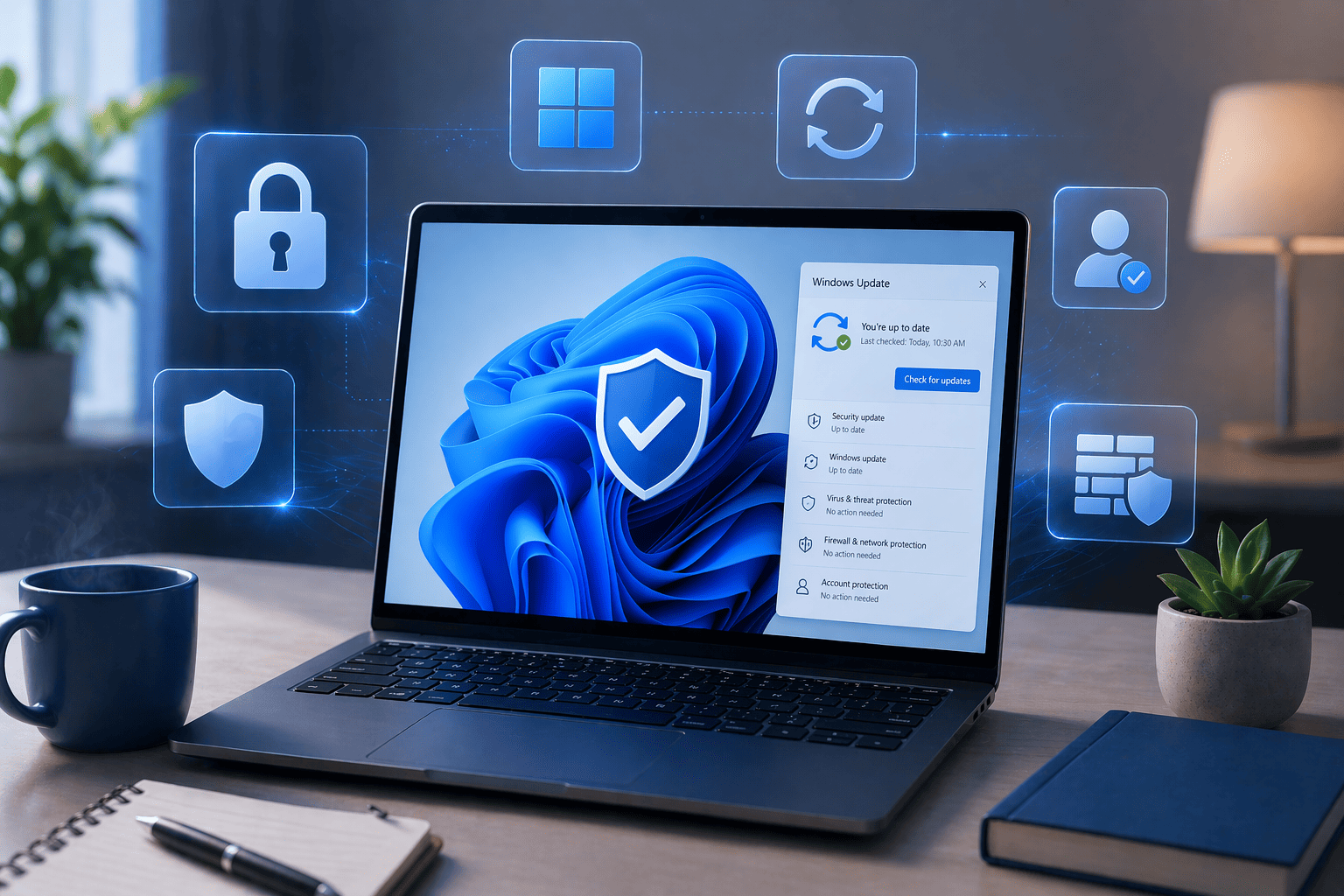
Keeping your computer safe is no longer something optional. Every day, new threats appear online, and even a small mistake can expose your personal data. That is why paying attention to the Latest security updates in Windows is so important. These updates do more than just improve performance. They fix hidden security gaps and protect your system from modern cyber threats.
Many users ignore updates or delay them without realizing the risk. A system that is not updated becomes an easy target. Understanding how the Latest security updates in Windows work can help you stay one step ahead and keep your device secure. If you are also exploring new 26H1 features, keeping your system updated becomes even more important for both security and performance.
Why Windows Security Updates Matter
Security updates are designed to fix vulnerabilities. These are weaknesses in the system that hackers can exploit.
When Microsoft releases the Latest security updates in Windows, it usually includes fixes for:
- Newly discovered security flaws
- Malware and ransomware threats
- System bugs affecting safety
- Improvements in built-in protection tools
If these updates are ignored, your system remains exposed. Even a well-protected computer can become vulnerable without regular updates.
Keeping your system updated is one of the simplest and most effective ways to protect your data.
What Is Included in the Latest Security Updates
The Latest security updates in Windows are not just one single change. They include multiple improvements working together.
Security patches: These patches fix known vulnerabilities that attackers might use.
Improved threat detection: Windows security tools become smarter with each update, helping detect new types of malware.
Firewall enhancements: Updates strengthen firewall protection, making it harder for unauthorized access.
Better privacy controls: New settings allow users to manage permissions and protect personal data more effectively.
These updates quietly work in the background but play a major role in keeping your system secure.
How Windows Protects Your System
Windows comes with built-in tools that work alongside the Latest security updates in Windows. When combined, they provide strong protection.
Windows Security: This is the main dashboard where you can check your system health. It includes virus protection, firewall status, and account security.
Microsoft Defender Antivirus: It runs in real time and scans your system for threats. With regular updates, it becomes more effective against new viruses.
Firewall Protection: It monitors incoming and outgoing traffic, blocking suspicious activity.
These tools become more powerful when the Latest security updates in Windows are installed regularly.
Common Threats You Should Know
Understanding risks helps you stay alert. The Latest security updates in Windows are designed to protect against many types of threats.
Malware: Malicious software that damages your system or steals data.
Ransomware: Locks your files and demands payment to unlock them.
Phishing attacks: Fake emails or websites that trick you into sharing personal information.
Spyware: Secretly monitors your activity and collects data.
Updates help reduce these risks, but user awareness is equally important.
Simple Ways to Stay Safe on Windows
Installing the Latest security updates in Windows is just the first step. There are simple habits that can make your system even more secure.
- Keep automatic updates turned on
- Use strong passwords
- Enable two factor authentication
- Avoid suspicious downloads
- Keep your browser updated
These small actions, combined with the Latest security updates in Windows, create a strong defense system. Many AI tools for students are now integrated into Windows, which makes it even more important to secure your device properly while using modern features.
How to Check for Updates Manually
Sometimes it is good to check updates yourself to make sure everything is up to date.
Follow these steps:
- Open Settings
- Go to Windows Update
- Click Check for updates
If updates are available, install them immediately. This ensures you always have the Latest security updates in Windows running on your system.
Managing Privacy Settings
Security is not only about viruses. Privacy also matters. The Latest security updates in Windows often include better privacy controls.
You can adjust settings like:
- App permissions
- Location access
- Camera and microphone control
Reviewing these settings helps you stay in control of your personal data.
Safe Browsing Habits
Many threats come from the internet. Practicing safe browsing is essential along with installing the Latest security updates in Windows.
- Avoid clicking unknown links
- Check website security before entering data
- Use secure networks
- Log out from public devices
Good browsing habits reduce the risk of attacks.
Importance of Backup
Even with strong security, problems can still happen. Having a backup protects your data. Use cloud storage or external drives to save important files. Regular backups ensure that you do not lose data even if something goes wrong. The Latest security updates in Windows reduce risks, but backups provide extra safety.
Signs Your System Might Be at Risk
Sometimes your system shows warning signs. Do not ignore them.
- Sudden slow performance
- Unknown programs running
- Frequent pop ups
- Unusual network activity
If you notice these issues, run a full system scan and make sure you have installed the Latest security updates in Windows.
Keeping Your System Secure Long Term
Security is not a one-time task. It requires regular attention.
- Update your system regularly
- Monitor security settings
- Stay informed about new threats
- Practice safe online habits
The Latest security updates in Windows play a key role, but your awareness and actions complete the protection. At the same time, maintaining performance using methods that boost Windows 11 speed helps your system run efficiently without compromising security.
Conclusion
Digital safety has become more important than ever. A secure system protects not only your files but also your privacy and identity.The Latest security updates in Windows are your first line of defense. They fix hidden issues, improve protection tools, and help your system stay ready for new threats. By combining regular updates with smart habits, you can create a safe and reliable computing environment without stress.
FAQs
How often should I install Windows security updates?
You should install updates as soon as they are available. Keeping up with the Latest security updates in Windows ensures your system stays protected from new threats.
Are Windows security updates really necessary?
Yes, they are essential. They fix vulnerabilities and improve system protection. Without them, your system becomes more exposed to cyber attacks.
Can I skip some updates if my system is running fine?
It is not recommended. Even if your system looks fine, missing the Latest security updates in Windows can leave hidden security gaps.
Do security updates slow down my computer?
In most cases, updates improve performance and stability. If there is any slowdown, it is usually temporary during installation.
Is Windows Defender enough for protection?
For most users, Windows Defender combined with the Latest security updates in Windows provides strong protection. However, safe browsing habits are still important.
