
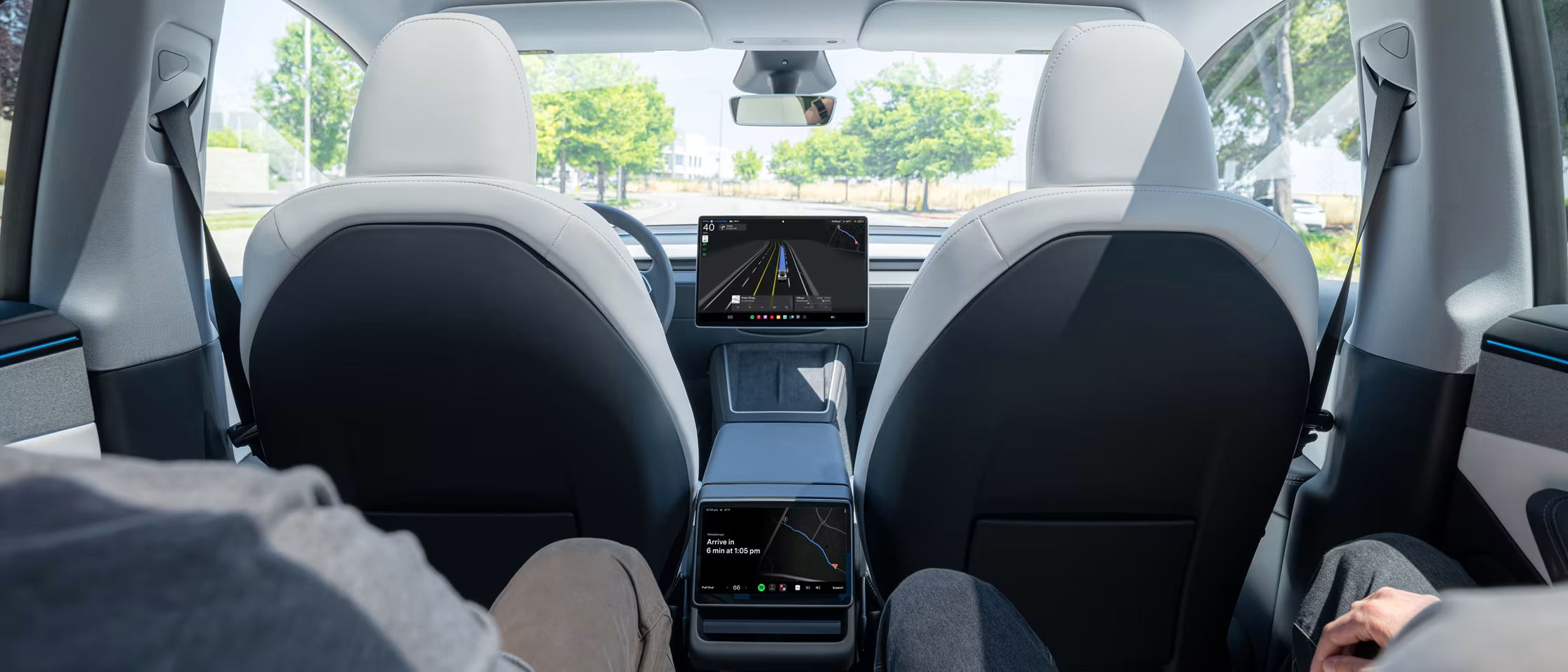
The idea of a car that drives itself without any human control once felt like science fiction. Today, that idea is closer to reality than ever, thanks to companies pushing the limits of innovation. Among them, Tesla stands at the center of this transformation with its ambitious Tesla Robotaxi project.
This concept promises to change how people travel, commute, and even earn money. But how real is it today, and when can you actually ride in one? Let’s break it down in simple terms.
Table of Contents
ToggleHere’s a quick overview before we dive deeper:
Aspect
Details
Project Name
Tesla Robotaxi
First Announced
2019 by Elon Musk
Launch Status
Model unveiling expected in late 2024
Expected Cost
Under $25,000 (production target)
Ride Fare Estimate
As low as $0.18 per mile
Vehicle Design
No steering wheel or pedals, fully autonomous
Earnings Potential
Up to $30,000/year for car owners via Robotaxi network
Availability
Trials may begin in select U.S. states by 2026
Let’s explore the full story of Tesla Robotaxi, from concept to reality check.
What is the Tesla Robotaxi?
Tesla Robotaxi is a fully autonomous electric vehicle designed to operate as part of a ride sharing network. Unlike traditional taxis, it does not need a driver. The vehicle uses artificial intelligence and advanced sensors to navigate roads, avoid obstacles, and reach destinations safely.
The idea was introduced by Elon Musk in 2019. His vision was simple but bold. Turn every Tesla car into a potential income source by allowing owners to add their vehicles to a shared robotaxi fleet.
In theory, your car could pick up passengers and earn money while you are at work or even sleeping.
The Vision Behind the Tesla Robotaxi
The long term goal of Tesla Robotaxi goes beyond just transportation. It aims to completely reshape urban mobility.
Instead of owning a car that sits unused most of the time, people could rely on a network of autonomous vehicles available on demand. This system could reduce traffic congestion, lower transportation costs, and cut down emissions.
Tesla plans to achieve this through its Full Self Driving technology, which relies heavily on AI and real time data processing. Unlike many competitors, Tesla uses a vision based system instead of expensive lidar sensors.
This approach allows Tesla to scale faster if the technology reaches full autonomy. Many of these innovations are also shaping Tesla AI Smart Cars, which represent the broader future of intelligent and connected vehicles.
Tesla Robotaxi: Key Features Expected
1. Full Self-Driving Capability
At the heart of Tesla Robotaxi is its Full Self Driving system. This technology enables the car to drive itself in complex real world conditions. It can change lanes, recognize traffic signals, and navigate city streets without human input.
Although the system is still under development, it continues to improve with regular software updates.
2. Purpose-Built Interior
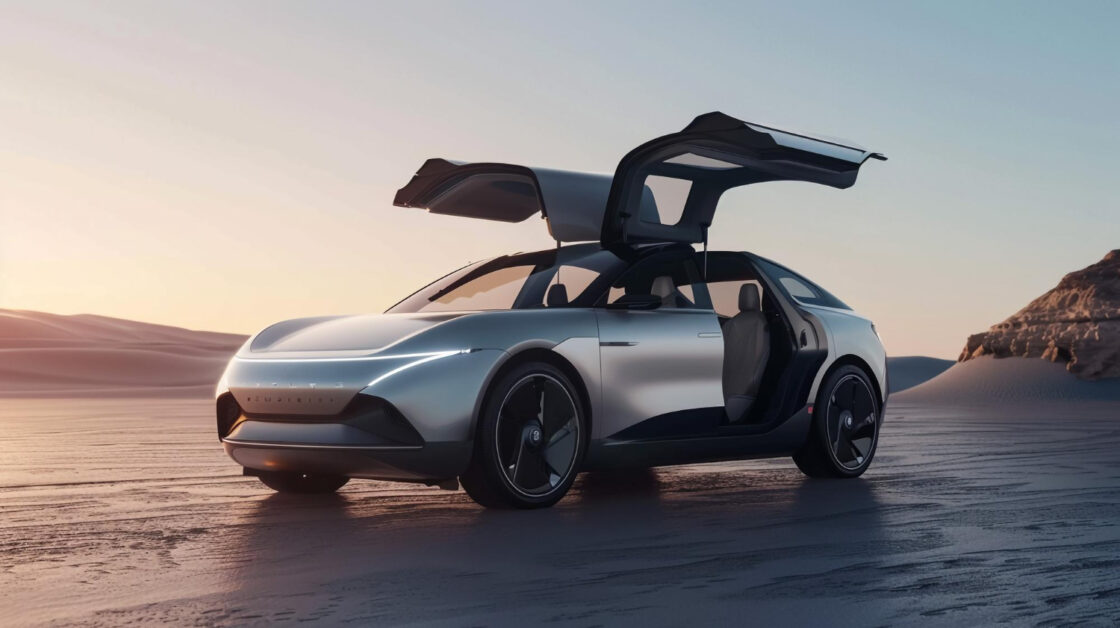
Tesla is expected to design Robotaxi vehicles without traditional controls like steering wheels or pedals. The focus will be entirely on passenger comfort.
The interior may look more like a lounge than a car, offering a relaxing experience during rides.
3. AI-Driven Experience
Passengers will interact with the car using voice commands or touchscreen controls. The system will optimize routes in real time, reducing travel time and improving efficiency.
This AI powered approach will make transportation smarter and more responsive.
4. Affordability
One of the biggest promises of Tesla Robotaxi is lower cost. Without a driver, operational expenses drop significantly.
This could make robotaxi rides much cheaper compared to traditional services, opening the door for widespread adoption.
Tesla Robotaxi Launch Timeline: Where Are We Now?
Original Promise vs. Current Status
When Tesla first introduced the idea, expectations were extremely high. Elon Musk predicted that robotaxis would be on the road by 2020. However, things did not move as quickly as planned.
Between 2021 and 2023, development slowed due to challenges in perfecting self driving technology. Autonomous driving requires near perfect accuracy, and even small errors can lead to safety concerns.
By 2024 and 2025, Tesla shifted its timeline. The company hinted at unveiling a dedicated Robotaxi model, with production expected to begin around 2025 or 2026.
As of now, no fully operational Tesla Robotaxi service exists. However, testing in selected cities in the United States is expected in the near future. Meanwhile, Tesla continues to refine its existing lineup, including vehicles like the Tesla Model Y 2025, which already includes advanced driver assistance features.
Tesla Robotaxi Cost: What Will It Be?
Understanding the cost is important because it will determine how widely this technology is adopted.
Production Cost
Tesla aims to build Robotaxi vehicles at a cost below 25000 dollars. This would be possible through new manufacturing techniques and battery innovations.
Ride Fare
According to Elon Musk, the cost per mile could drop to around 0.18 dollars. This is significantly cheaper than current ride sharing services.
Owner Revenue
Tesla Robotaxi also introduces a new way for car owners to earn income. Owners could potentially make up to 30000 dollars per year by adding their cars to the network.
However, actual earnings will depend on location, usage, and maintenance costs.
Tesla Robotaxi vs Traditional Ride-Sharing
Feature
Tesla Robotaxi
Uber/Lyft
Human Driver Required
No
Yes
Cost Per Mile (Estimate)
$0.15–$0.25
$2.00+
Availability
24/7 (theoretical)
Dependent on drivers
Carbon Emissions
Zero (fully electric)
Varies
Earning for Owners
Passive income possible
Not applicable
When compared to services like Uber, Tesla Robotaxi offers several advantages.
First, it removes the need for human drivers, which reduces costs. Second, it can operate continuously without breaks, increasing availability.
In addition, Tesla vehicles are fully electric, which means zero emissions during operation. This makes them more environmentally friendly compared to many traditional taxis. Tesla is also expanding its vehicle portfolio, with innovations such as the Cybertruck Specs and Price attracting attention for their futuristic design and capabilities.
However, traditional services still have an advantage today because they are already widely available and fully functional.
Reality Check: How Close Are We to Robotaxi Roads?
Despite all the excitement, Tesla Robotaxi is not fully ready yet. Several challenges still stand in the way.
1. Legal and Regulatory Delays
Autonomous vehicles must meet strict safety regulations. Laws vary from country to country, and approval processes can take years.
2. Full Self-Driving Not Yet Fully Approved
Tesla Full Self Driving system is still not completely autonomous. It performs well in many scenarios, but it still requires human supervision in complex situations.
3. Infrastructure Needs
Cities may need upgrades to support autonomous vehicles. This includes better road markings, smart traffic systems, and widespread charging stations.
4. Public Trust & Safety
People need to feel safe inside a driverless car. Building trust will take time, especially after years of relying on human drivers.
What Analysts Say About Tesla Robotaxi
Many analysts believe that Tesla Robotaxi will first launch as a limited pilot program. Cities like Austin and San Francisco are often mentioned as possible starting points.
Experts also note that Tesla has an advantage due to its strong AI development and large amount of driving data collected from existing vehicles.
However, competitors like Waymo are already testing autonomous ride services, which means Tesla still faces strong competition.
The Future of Autonomous Transportation
Tesla Robotaxi represents more than just a new product. It signals a major shift in how people think about transportation.
In the future, owning a car may become less important. Instead, people could rely on on demand autonomous vehicles that are cheaper and more efficient.
This shift could also reduce traffic accidents, as AI systems are designed to minimize human error.
Conclusion
Tesla Robotaxi is one of the most exciting developments in modern transportation. It promises a future where cars drive themselves, costs are lower, and mobility becomes more accessible.
However, the journey from concept to reality is still ongoing. Challenges related to regulation, safety, and technology need to be resolved before robotaxis become a common sight on the roads.
Tesla has a history of turning bold ideas into reality, even if it takes longer than expected. The Tesla Robotaxi may not be everywhere today, but its arrival feels closer than ever.
For now, it remains a glimpse into the future of transportation, one that could redefine how we move in the years ahead.

Best AI Software Tools in 2026 for Productivity and Automation

Nothing Phone 3a: Bold Design Meets Smooth Power
Green Tech and Circular IT for Sustainable Growth
Agentic Robotics as a Service Transforming Modern Industry

Cloud 3.0 and Sovereign Cloud Reshaping Security

Tecno Camon 40 Pro: Gaming & Camera Power Boost
Share
