Technology is changing the way people interact with digital systems. Screens, keyboards, and touch controls are no longer the only way users experience technology. A new generation of interfaces is creating more natural, interactive, and engaging digital experiences. Businesses, designers, and developers are now focusing on immersive environments that feel more human and intuitive.
The rise of spatial computing and immersive technology is shaping the future of user experience. From virtual workspaces to augmented reality shopping, modern interfaces are becoming smarter, faster, and more responsive to human behavior. These innovations are not only improving usability but also changing how people connect with digital products in everyday life.
Understanding Spatial Interfaces
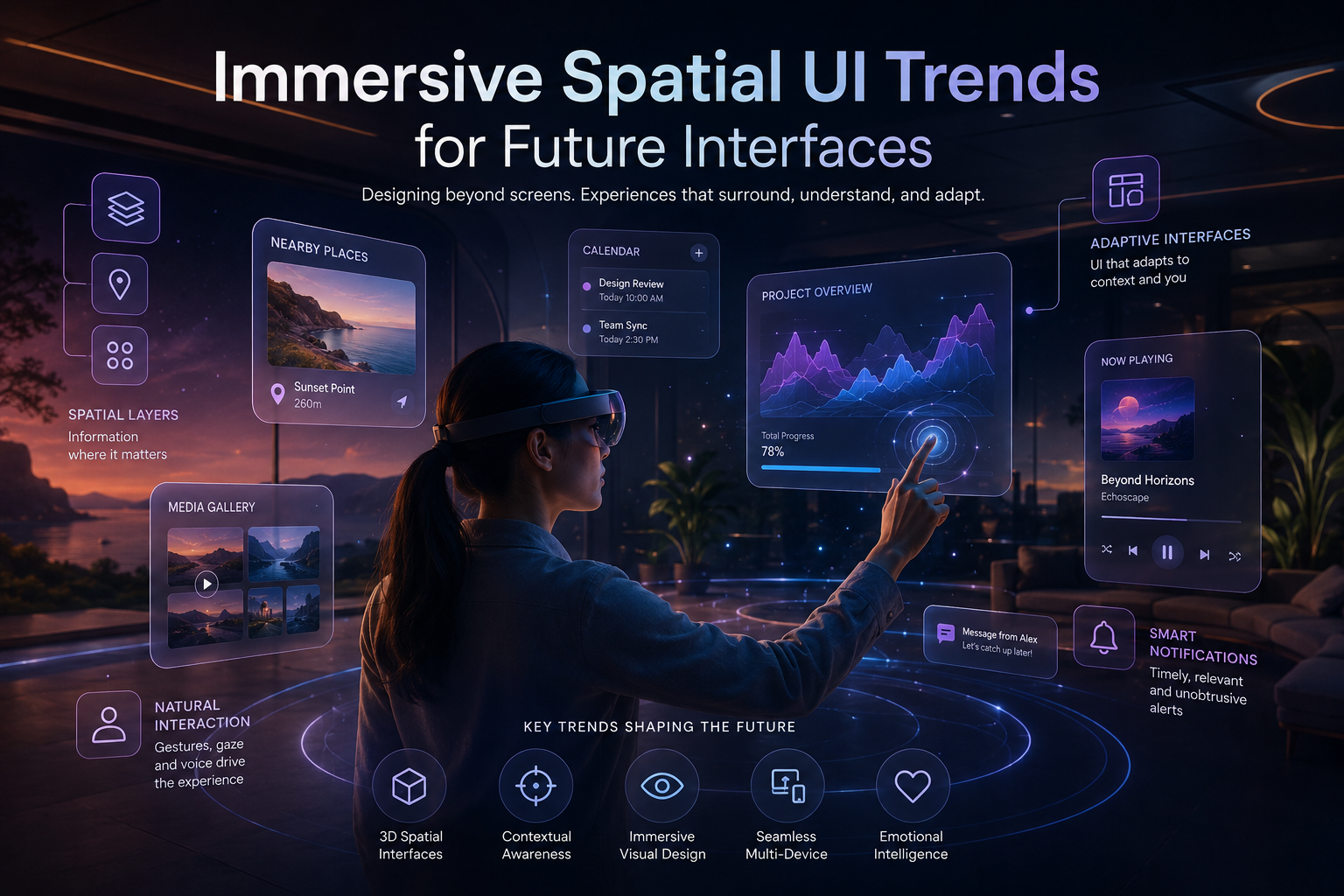
Spatial interfaces allow users to interact with digital content in a three dimensional environment instead of using flat screens alone. These systems combine physical and digital spaces to create a more realistic and interactive experience.
Unlike traditional interfaces, spatial systems use movement, voice, gestures, and environmental awareness to respond to user actions. This creates smoother interaction and reduces the need for constant manual input.
Today, industries such as healthcare, education, retail, gaming, and architecture are already adopting these technologies to improve communication and user engagement. Many designers are also blending immersive systems with Handmade Design Revival concepts to create interfaces that feel more emotional and human centered.
Why Immersive Interfaces Are Growing Fast
Modern users expect experiences that are fast, interactive, and visually engaging. Traditional interfaces often feel limited because they rely heavily on clicks and touch navigation. Immersive systems solve this problem by creating more natural interaction methods.
Several factors are driving this growth:
- Faster internet connectivity
- More powerful mobile devices
- AI driven personalization
- Growth of augmented reality and virtual reality
- Increasing demand for remote collaboration
- Rising popularity of smart wearables
Companies are investing heavily in immersive digital environments because they improve customer engagement and user satisfaction.
Augmented Reality Is Reshaping User Experience
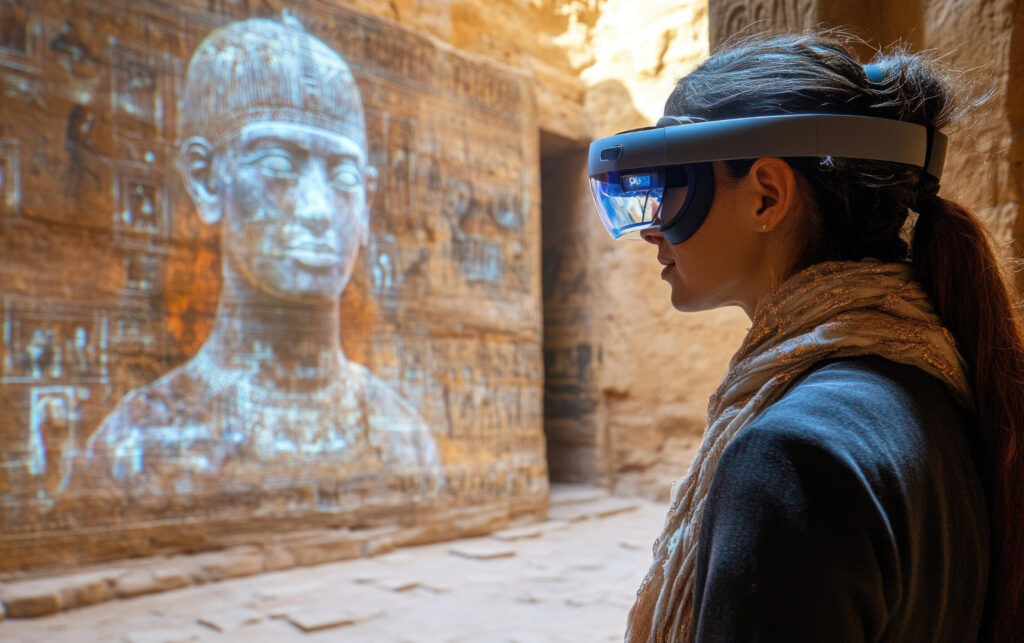
Augmented reality is becoming one of the most practical innovations in interface design. It places digital content into the real world, helping users interact with products and information more naturally.
Retail brands now allow customers to preview furniture inside their homes before buying. Beauty companies offer virtual makeup testing. Educational platforms use interactive AR models to simplify complex subjects.
These experiences help users make faster decisions while improving confidence and engagement.
Key benefits of augmented reality interfaces include:
- Better product visualization
- Interactive learning experiences
- Improved navigation systems
- Enhanced customer engagement
- Reduced decision making time
As AR hardware becomes more affordable, its adoption will continue to grow across different industries.
Virtual Reality Is Creating Fully Digital Experiences
Virtual reality takes immersion to another level by placing users inside completely digital environments. VR interfaces are especially useful for industries that require realistic simulations and interactive training.
Healthcare organizations use VR for medical training and therapy sessions. Businesses use virtual collaboration rooms for remote teamwork. Gaming companies continue to push the boundaries of immersive storytelling through advanced VR experiences.
Modern VR systems are becoming lighter, more affordable, and easier to use. This is helping businesses explore new ways to connect with users through realistic digital experiences.
Gesture and Voice Based Interaction
One of the biggest changes in future interfaces is the shift toward touchless interaction. Gesture controls and voice interfaces are replacing traditional input methods in many environments.
Users can now control smart devices through simple hand movements or voice commands. This improves accessibility and creates a more seamless experience.
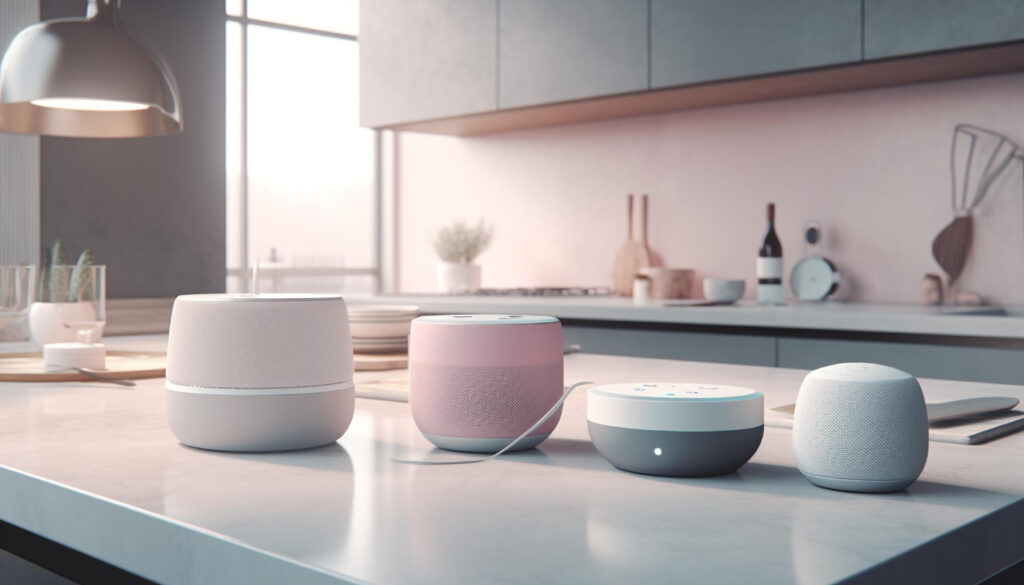
Voice assistants powered by artificial intelligence are also becoming smarter. They can understand context, user preferences, and natural conversation patterns more effectively than before.
Gesture and voice systems are especially valuable in:
- Smart homes
- Healthcare environments
- Automotive technology
- Industrial workspaces
- Virtual collaboration platforms
These interaction methods reduce friction and make technology easier to use for people of all ages.
Artificial Intelligence in Spatial Design
Artificial intelligence is playing a major role in the future of immersive interfaces. AI helps systems understand user behavior and respond in real time.
Modern interfaces can now personalize layouts, recommend actions, and predict user needs based on behavior patterns. This creates a more adaptive and user friendly experience.
For example, AI powered virtual environments can automatically adjust lighting, interface elements, or content based on user interaction. This level of personalization improves both engagement and efficiency. Many companies are now investing in Smart Creative Automation tools to improve immersive design workflows and speed up digital innovation.
Businesses using AI driven interfaces often see:
- Better customer retention
- Faster interaction speed
- Improved accessibility
- Higher user satisfaction
- More accurate personalization
As AI technology evolves, immersive systems will become even more intelligent and responsive.
The Rise of Wearable Technology
Wearable devices are becoming an important part of immersive interaction. Smart glasses, VR headsets, and mixed reality devices are allowing users to stay connected without relying entirely on traditional screens.
These devices support hands free interaction and real time information access. Industries such as healthcare, logistics, and manufacturing are already benefiting from wearable technology.
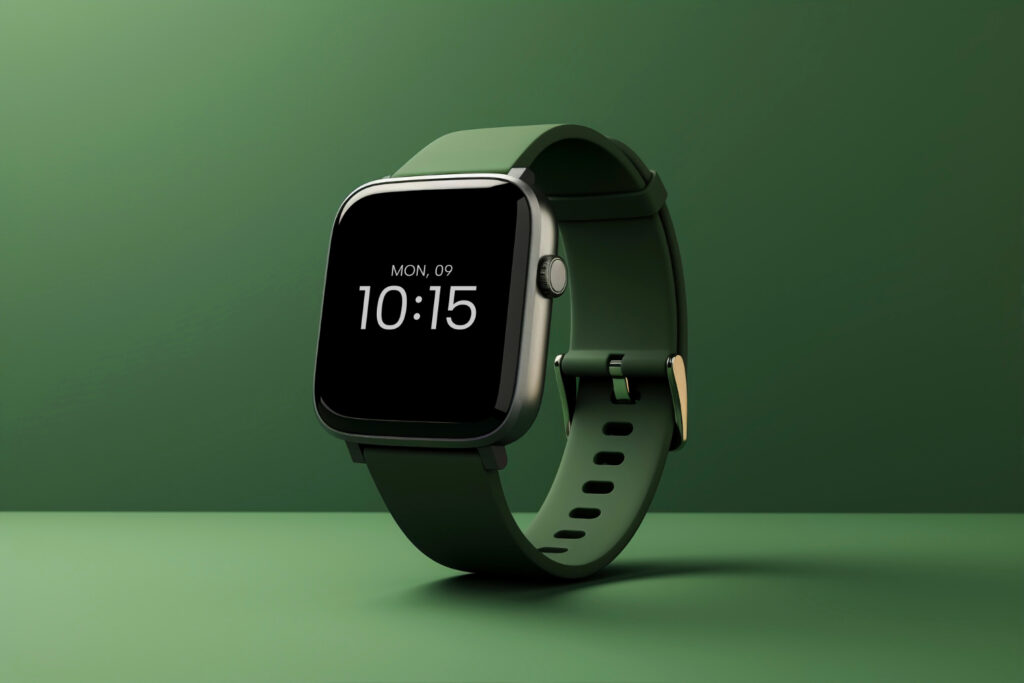
For consumers, wearable devices are creating more convenient digital experiences through fitness tracking, navigation assistance, and immersive entertainment.
The future of wearable interfaces will likely focus on:
- Lightweight hardware
- Longer battery life
- Improved visual quality
- Better motion tracking
- Enhanced comfort for daily use
As technology improves, wearables may eventually replace many traditional mobile interactions.
Challenges Facing Immersive Interfaces
Despite rapid growth, immersive systems still face several challenges. Privacy concerns remain a major issue because many spatial systems collect large amounts of user data.
High development costs can also slow adoption for smaller businesses. Some users may experience motion discomfort when using virtual reality systems for long periods.
Design complexity is another challenge. Creating intuitive 3D environments requires careful planning and strong user experience design principles. Modern brands are also focusing on Authentic Digital Aesthetics to make immersive interfaces feel more trustworthy, relatable, and visually balanced.
Developers must focus on:
- User privacy protection
- Accessibility standards
- Comfortable interaction design
- Device compatibility
- Energy efficient hardware
Solving these issues will help immersive technology become more accessible to a wider audience.
The Future of Digital Interaction
The future of digital interaction is moving toward experiences that feel more human, intelligent, and connected. Interfaces will continue blending physical and digital environments in ways that improve communication, productivity, and entertainment.
Businesses that invest early in immersive experiences may gain a strong competitive advantage as user expectations continue evolving.
In the coming years, people may interact with digital systems through holographic displays, advanced wearables, and fully adaptive environments that respond instantly to human behavior.
Technology is no longer just about functionality. Users now expect experiences that feel natural, interactive, and emotionally engaging. This shift is pushing designers and developers to rethink how interfaces should work in the future.
Conclusion
Immersive spatial technologies are transforming the way people connect with digital platforms. From augmented reality shopping to AI powered virtual environments, modern interfaces are becoming more interactive and user focused.
As businesses continue exploring spatial computing and intelligent interaction systems, users can expect digital experiences that are more personalized, realistic, and efficient than ever before.
The future of interface design will focus on creating technology that feels less mechanical and more connected to human behavior. Companies that understand this shift early will be better prepared for the next generation of digital innovation.