Brands today compete in a crowded digital world where attention spans continue getting shorter. People often form opinions about a business within seconds, and visual presentation plays a major role in that first impression. Among all branding elements, color remains one of the most powerful tools for creating recognition, trust, and emotional connection.
Modern businesses are no longer using color as simple decoration. They are building complete visual systems that help audiences instantly recognize their identity across websites, social media, mobile apps, advertisements, and packaging. This shift is transforming how companies communicate with customers in both digital and physical spaces.
Strong visual branding now depends on thoughtful color strategies that balance creativity, clarity, and consistency. As design trends continue evolving, brands are experimenting with bold palettes, expressive contrasts, and emotionally driven aesthetics to stand out in competitive industries.
Why Color Matters in Brand Identity
Color influences how people feel, think, and react to visual content. Different shades can trigger emotional responses that shape purchasing decisions and brand perception.
For example:
- Blue often represents trust and professionalism
- Green is associated with growth and sustainability
- Red creates urgency and excitement
- Yellow reflects energy and optimism
- Black communicates luxury and sophistication
When brands use color intentionally, they create stronger emotional connections with audiences. This is why successful businesses carefully choose palettes that match their personality and values.
Modern consumers also expect visual consistency across all platforms. A recognizable color system helps customers remember a brand more easily and strengthens long term loyalty.
The Rise of Vibrant Color Systems
In recent years, designers have moved away from overly flat and muted palettes. Brands are now embracing brighter, more expressive color systems that create stronger visual impact.
The growing popularity of immersive digital experiences has encouraged companies to use energetic combinations that feel modern and interactive. Social media platforms, streaming services, and technology brands especially favor vibrant palettes because they attract attention quickly on mobile screens.
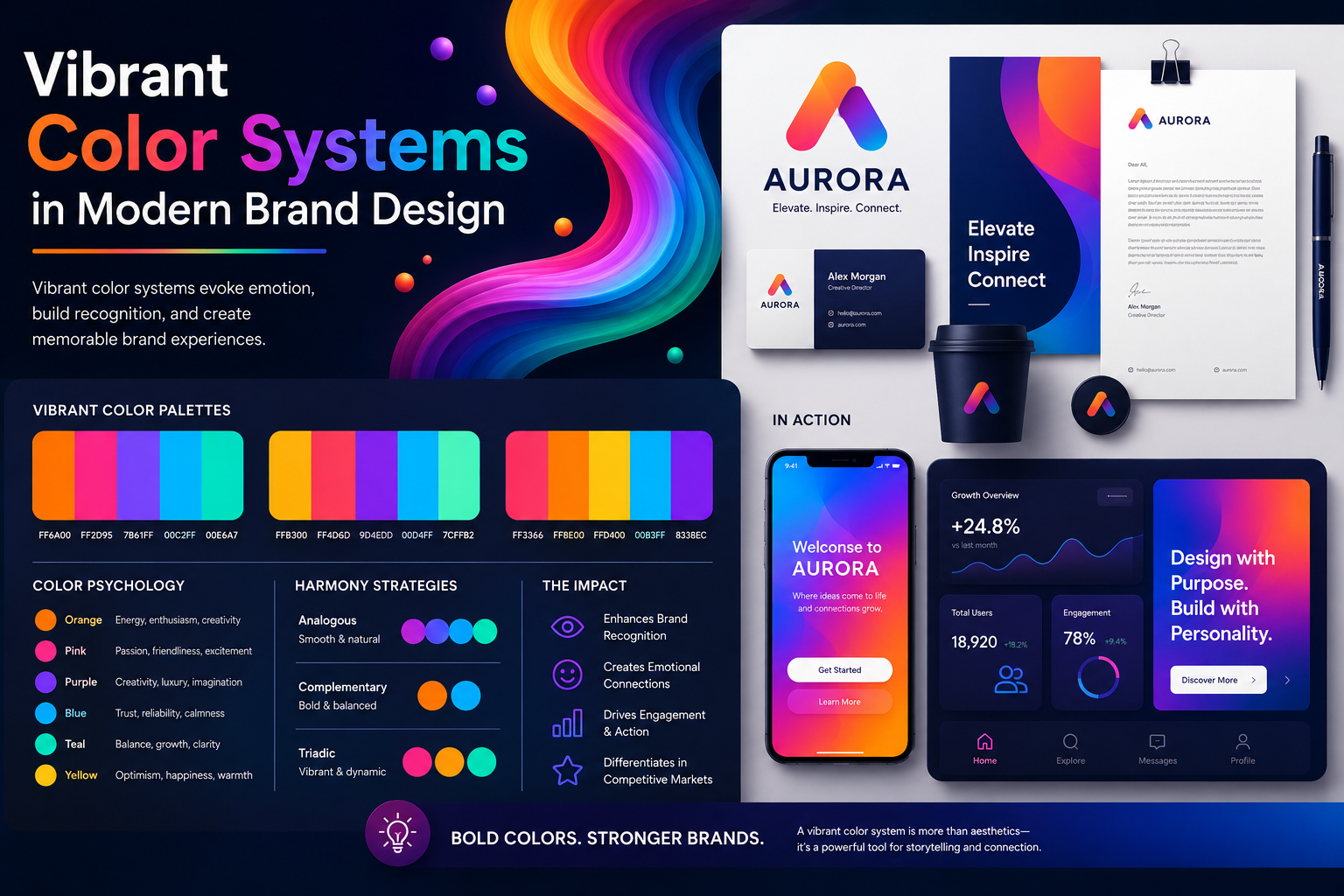
A modern color system usually includes:
- Primary brand colors
- Secondary support colors
- Neutral background shades
- Accent colors for interaction
- Accessibility friendly contrast combinations
This structure allows brands to maintain flexibility while keeping visual identity consistent across different platforms.
Emotional Branding Through Color
People connect emotionally with brands that feel authentic and visually memorable. Color plays a major role in creating that emotional experience.
Warm colors often create feelings of energy and passion, while cooler tones communicate calmness and reliability. Modern brands use this psychological effect to influence customer behavior naturally.
Many companies now focus on storytelling through visual identity. Instead of using random palettes, they build color systems that reflect their mission, audience, and brand personality.
For example, eco friendly companies often use earthy greens and natural tones to reinforce sustainability. Technology brands frequently combine bold gradients with futuristic shades to appear innovative and forward thinking.
Some modern creative studios are even blending vibrant palettes with Folk Inspired Interfaces to create branding that feels artistic, emotional, and culturally connected.
This emotional approach helps businesses create deeper relationships with customers beyond simple product marketing.
Digital Platforms Are Changing Color Trends
Digital experiences are shaping the future of branding faster than ever before. Brands must now design for multiple devices, screen sizes, and user environments.
Colors that looked attractive in print may not perform well on smartphones or high resolution displays. Designers are now prioritizing digital friendly palettes that remain vibrant and readable across platforms.
Several modern trends are influencing visual identity systems today:
- Gradient based branding
- Neon inspired accents
- Dark mode compatible palettes
- Minimal yet bold contrast systems
- Motion friendly color transitions
These trends help brands feel more dynamic and interactive in digital environments.
Social media has also influenced branding decisions. Businesses often choose colors that stand out in crowded feeds and encourage audience engagement through visually striking content.
Accessibility and Inclusive Design
Modern branding is not only about appearance. Accessibility has become an essential part of color system development.
Brands must ensure their visual content remains readable and usable for people with visual impairments or color blindness. Poor contrast choices can create frustrating experiences and reduce accessibility.
Inclusive color systems focus on:
- Strong contrast ratios
- Clear readability
- Balanced brightness levels
- Consistent navigation colors
- Accessible interface elements
Accessible branding improves user experience while also helping businesses reach larger audiences.
Companies that prioritize inclusive design often build stronger customer trust because their platforms feel more user friendly and thoughtful.
How AI Is Influencing Modern Color Systems
Artificial intelligence is starting to change the way designers create brand identities. AI powered tools can now analyze audience behavior, industry trends, and emotional responses to recommend effective color combinations.
These systems help brands test different palettes faster and optimize visual consistency across multiple platforms. Many agencies are now using AI Workflow Automation to simplify repetitive branding tasks and improve creative efficiency.
Some businesses are also using AI to personalize digital experiences through adaptive color themes. Websites and apps can now adjust visual elements based on user preferences, time of day, or viewing environment.
This technology allows brands to create more engaging and personalized experiences without losing visual consistency.
As AI continues evolving, branding strategies will likely become even more data driven and user focused.
Balancing Creativity and Consistency
While vibrant branding can attract attention, consistency remains equally important. Brands that constantly change colors without strategy often confuse audiences and weaken recognition.
Successful companies create flexible design systems that allow creativity while maintaining a recognizable identity.
Strong color systems usually follow clear guidelines for:
- Logo usage
- Background combinations
- Typography pairing
- Interactive elements
- Social media graphics
- Website design
These guidelines help teams maintain visual consistency across all marketing channels.
Modern branding requires a balance between creative freedom and structured design principles. This approach keeps brands visually fresh while protecting long term identity.
The Influence of Culture and Consumer Behavior
Global audiences are becoming more visually aware and culturally connected. Colors can carry different meanings depending on cultural background, industry trends, and social influences.
Brands operating internationally often adapt visual strategies based on regional preferences and consumer behavior. This helps businesses communicate more effectively with diverse audiences.
Consumer preferences are also shifting toward designs that feel more genuine and emotionally relatable. Many companies are moving away from overly corporate visuals and embracing more human centered aesthetics.
This trend has encouraged designers to experiment with richer textures, natural tones, and expressive palettes that create stronger emotional impact.
The Future of Brand Color Systems
The future of branding will likely focus on adaptive and immersive visual experiences. As digital platforms continue evolving, brands may use responsive color systems that change based on user interaction, environment, or device settings.
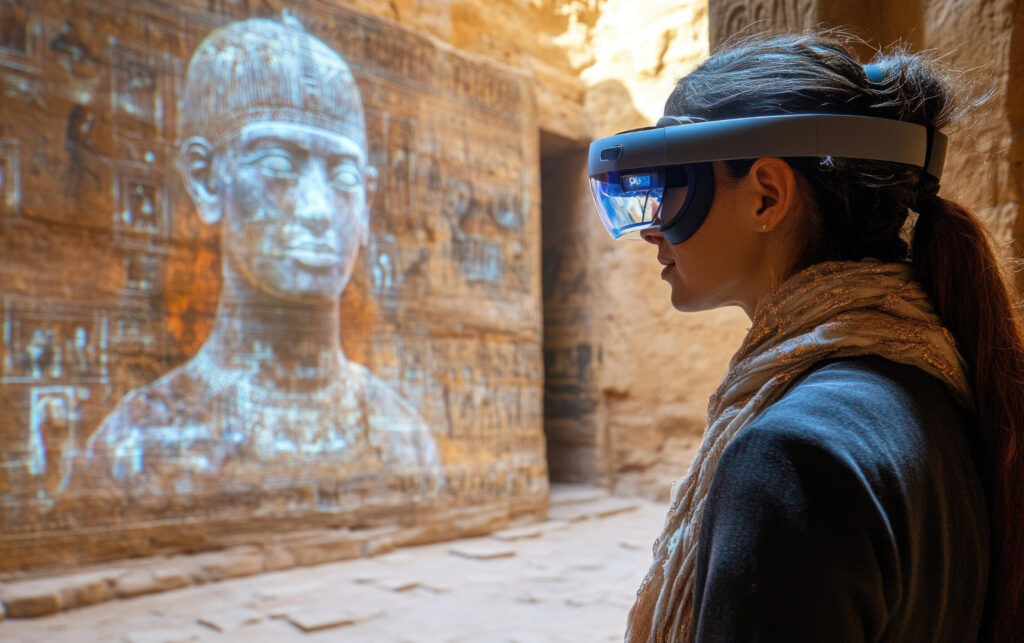
Emerging technologies such as augmented reality and virtual environments are also expanding the possibilities of visual identity design. Many experts believe that future branding systems may also integrate ideas inspired by Spatial Computing Design to create more interactive and immersive user experiences.
Future brand systems may include:
- Interactive color environments
- Real time adaptive palettes
- Emotion responsive interfaces
- AI generated visual themes
- Immersive digital branding experiences
These innovations will help businesses create more engaging and personalized customer interactions.
Brands that invest in modern visual systems today will be better prepared for future digital experiences and evolving audience expectations.
Conclusion
Color remains one of the most powerful elements in modern branding. Businesses that use thoughtful and emotionally driven visual systems can build stronger recognition, trust, and engagement across digital platforms.
Modern branding is no longer about choosing attractive colors alone. It involves creating complete visual systems that communicate personality, values, and user experience consistently.
As technology continues shaping the future of design, vibrant and adaptable color systems will play an even bigger role in helping brands connect with audiences in meaningful ways.