Design is no longer just about aesthetics or making things look appealing. Today, it influences how people think, interact, and connect with brands. As technology evolves and user behavior shifts, staying updated with design trends is essential for any creative professional.
For those wondering why become design preneur, understanding design trends is the first step. A design preneur blends creative skills with entrepreneurship, recognizing opportunities to innovate, build a personal brand, and craft solutions that are both visually engaging and strategically impactful. Knowing the trends allows aspiring designpreneurs to align their work with the future of creativity and audience expectations.
From artificial intelligence to immersive digital experiences, the creative landscape is changing rapidly. Designers now solve complex visual problems while creating meaningful experiences that resonate with audiences on a deeper level.
Whether you’re a beginner or a seasoned professional, keeping up with the latest trends ensures your work stays relevant, engaging, and competitive.
Table of Contents
ToggleWhat are Design Trends?
Design trends are prevailing styles, techniques, and creative directions that dominate the visual world at any given time. They influence graphic design, web design, branding, typography, motion graphics, and even interior and product design.
Trends are shaped by cultural shifts, technological advancements, and changing audience expectations. For example, the growing dominance of mobile devices has influenced responsive web design, while social media has pushed storytelling and visual communication to the forefront.
By understanding these trends, designers make informed choices that feel modern, relevant, and aligned with audience needs. Trends don’t replace creativity—they guide it.
Why Following Design Trends Matters
Following design trends is not about copying what others are doing. It’s about recognizing patterns that work, understanding why they resonate, and applying them thoughtfully.
Modern audiences expect clean visuals, intuitive experiences, and meaningful interactions. If your design feels outdated, engagement drops quickly.
Some key reasons trends matter include:
- Audience Connection: Contemporary visuals build trust and relatability.
- Improved User Experience: Trends often focus on clarity, usability, and accessibility.
- Competitive Edge: Staying relevant keeps your work ahead of peers.
- Creative Growth: Exposure to new ideas pushes your skills and inspires innovation.
A strong awareness of trends gives designers direction while still leaving room for originality and experimentation.
Key Design Trends Dominating 2025
1. Minimalism with a Twist
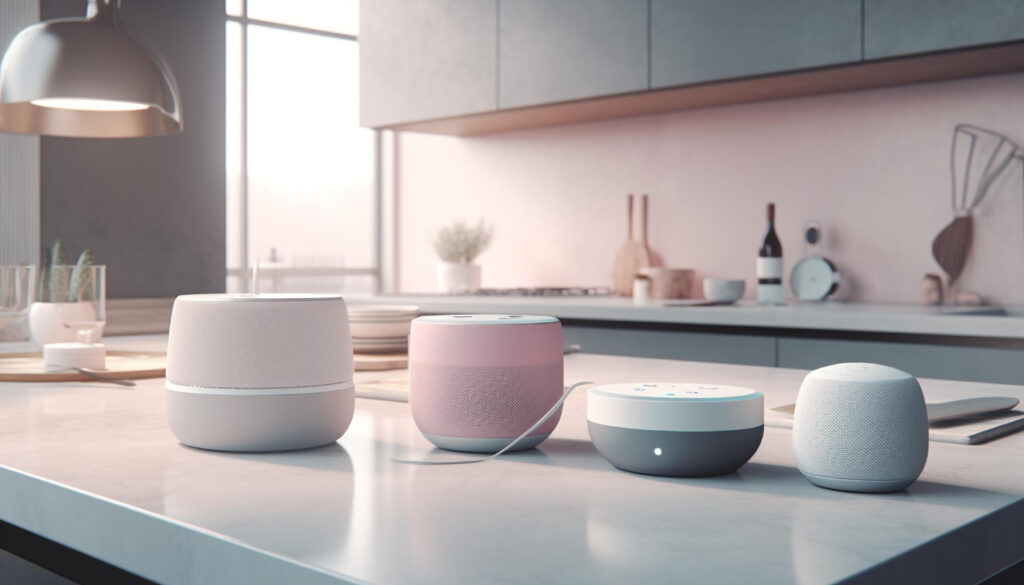
Minimalism remains popular, but in 2025, it has evolved. Designers now pair simple layouts with bold colors, gradients, and dynamic typography.
This combination ensures clean visuals without feeling sterile. Unexpected pops of color or playful fonts create personality, helping designs engage users while maintaining clarity.
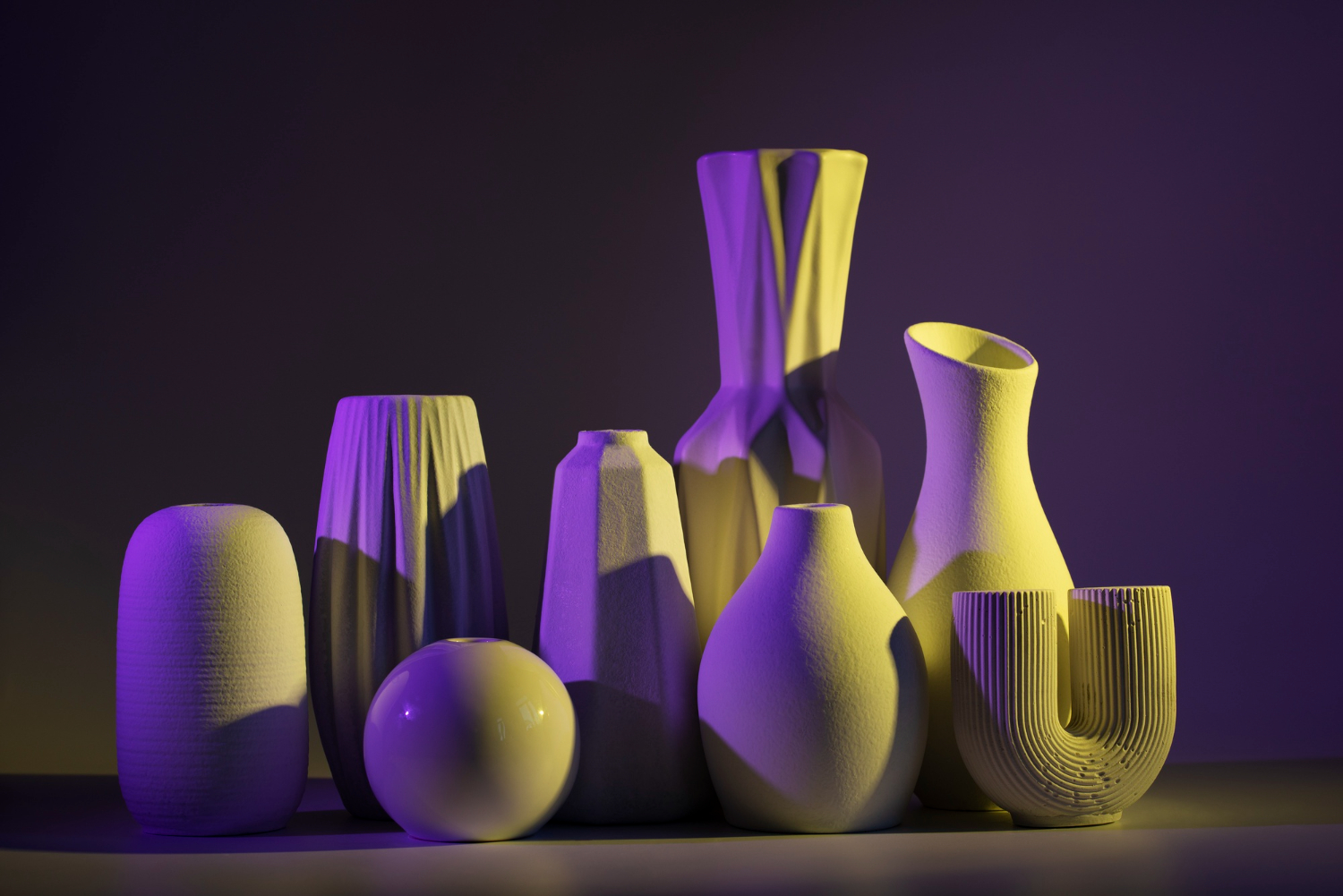
2. 3D and Immersive Elements
Three-dimensional elements are now common in websites, apps, and branding materials. Shadows, depth, and subtle motion create realistic, interactive experiences that pull users in.
This trend reflects a broader modern design evolution, where digital environments are immersive, engaging, and human-centered. Designers who embrace 3D visuals can create experiences that feel more natural, dynamic, and memorable.
3. Nostalgic and Retro Styles
Design inspired by the 80s, 90s, and early 2000s is making a strong comeback. Pastel palettes, retro typography, and vintage graphics evoke familiarity and emotion, creating a connection with users.
Retro styles work well when paired with modern elements, blending nostalgia with innovation.
4. Dark Mode Optimisation
Dark mode is now a standard aesthetic feature. Beyond reducing eye strain, it creates striking contrast and enhances visual appeal.
Designers focus on ensuring visuals work seamlessly in both light and dark modes, balancing functionality and style.
5. Sustainable and Ethical Design
Eco-conscious design is growing in importance. Brands and designers prioritize ethical storytelling, resource-efficient visuals, and sustainable branding practices.
Design is now not only about beauty but also values, social responsibility, and positive impact.
6. Motion and Micro-Animations
Motion adds life to static designs. From subtle button animations to scrolling effects, micro-interactions guide users, improve engagement, and make experiences more intuitive.
Even small movements can leave a lasting impression, demonstrating attention to detail and user-focused design.
7. Custom Illustrations and Hand-Drawn Elements
Personalized illustrations and hand-drawn graphics create authenticity. By moving away from generic stock imagery, brands can communicate personality and uniqueness through their visuals.
This trend enhances memorability and strengthens brand identity.
8. Experimental Typography
Typography is evolving beyond basic readability. Bold, dynamic fonts, kinetic text, and creative layouts allow designers to communicate emotion and personality through type.
When combined with other visual elements, typography becomes a central storytelling tool.
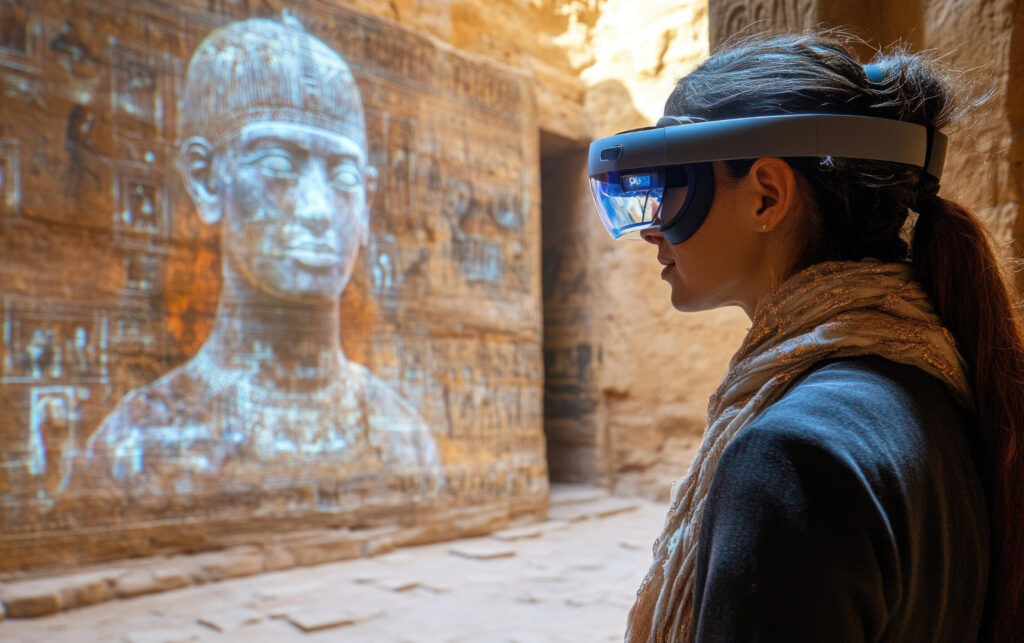
9. AR and VR Integration
Augmented reality (AR) and virtual reality (VR) are changing user interactions with digital content. Designers can now create interactive experiences, from virtual product try-ons to immersive brand storytelling.
These technologies push the boundaries of traditional design, blending the physical and digital worlds.
10. Inclusive and Accessible Design
Accessibility is no longer optional. Designers now focus on creating experiences for everyone, including users with disabilities.
Readable fonts, appropriate color contrast, and clear layouts ensure inclusivity, making designs functional and ethical.
How to Stay Ahead of Design Trends
Keeping up with trends requires continuous learning and experimentation:
- Follow top design blogs and influential creators.
- Explore platforms like Behance, Dribbble, and Pinterest.
- Join creative communities to exchange ideas and get feedback.
- Experiment with new tools, styles, and techniques.
- Attend webinars, workshops, and industry events to spot emerging trends.
Practice, curiosity, and consistent exposure to new ideas help designers refine their skills and remain competitive.
Design Trends and Branding
Design trends directly influence branding. A modern visual identity builds trust, communicates values, and attracts attention.
Regularly updating branding—including logos, color schemes, typography, and layouts—ensures relevance. However, consistency remains crucial. Trends should enhance, not replace, your brand identity.
Challenges with Following Design Trends
Trends can be inspiring but also risky:
- Some fade quickly, while others endure.
- Blindly following trends can make designs generic.
- Overuse of certain trends may clash with your brand or audience preferences.
The best approach is to blend trends with a unique personal style, creating designs that are both relevant and original.
Future of Design Trends: What’s Next?
The future of design is interactive, personalized, and tech-driven. AI, automation, and advanced software will continue to transform creative workflows.
Experiences will feel more intuitive, immersive, and human-centered, reflecting the future of design creativity. Designers who adapt will lead the industry while delivering meaningful, impactful solutions.
Frequently Asked Questions
1. What are design trends?
Design trends are popular styles, techniques, and creative directions that influence visuals, branding, and user experience at a given time.
2. Why should I follow design trends?
Following trends helps your work stay relevant, connect with your audience, and grow creatively without losing originality.
Following trends helps your work stay relevant, connect with your audience, and grow creatively without losing originality.
3. How often should I update my designs?
Review your designs annually and refresh major elements every 2–3 years to remain modern and engaging.
4. Are all design trends long-lasting?
Not all trends last. Some fade quickly, while others, like minimalism, evolve and stay relevant over time.
5. Can small businesses adopt trends affordably?
Yes. Use free tools, tweak existing visuals, or hire freelancers to incorporate trendy elements without overspending.
Conclusion
Design trends are essential for guiding creativity, shaping user expectations, and driving innovation. By understanding trends, experimenting with new ideas, and applying them thoughtfully, designers can create work that stands out and resonates with audiences.
Embracing these trends also provides insight inside designer lifestyle, where creativity, learning, and adaptability define long-term growth. Staying informed and agile ensures that your designs remain innovative while staying true to your vision.
Remember, trends are tools, not rules. Creativity is the constant that will define your success as a designer.
Oppo Reno 14 Pro vs 13 Pro: Camera Evolution by Oppo
iPhone 17 Pro Max vs 16 Pro: Full Comparison

Samsung Galaxy S26 Ultra vs S25 Ultra: Full Review

Top Action Games Fully Compatible with Windows 11
Top Multiplayer Games to Play on Windows 11 PC
Best Offline PC Games for Windows 11 Users 2026
Share