Digital design no longer follows the old formula of making everything look perfect and polished. Audiences today connect more with honesty, personality, and natural visual experiences. Brands, creators, and businesses now prefer designs that feel real instead of overly edited. This shift has created a strong movement known as Raw Authenticity Trends.
Modern users spend hours online every day. They quickly notice when a website or brand feels too artificial. Authentic visuals and relatable experiences build trust faster because they reflect real emotions and human creativity. Designers now focus on creating digital spaces that look natural, expressive, and emotionally engaging.
Why Raw Authenticity Matters in Digital Design
People are surrounded by advertisements, filtered visuals, and AI-generated content. Because of this, users appreciate brands that feel genuine. Authenticity creates emotional comfort and stronger audience loyalty.
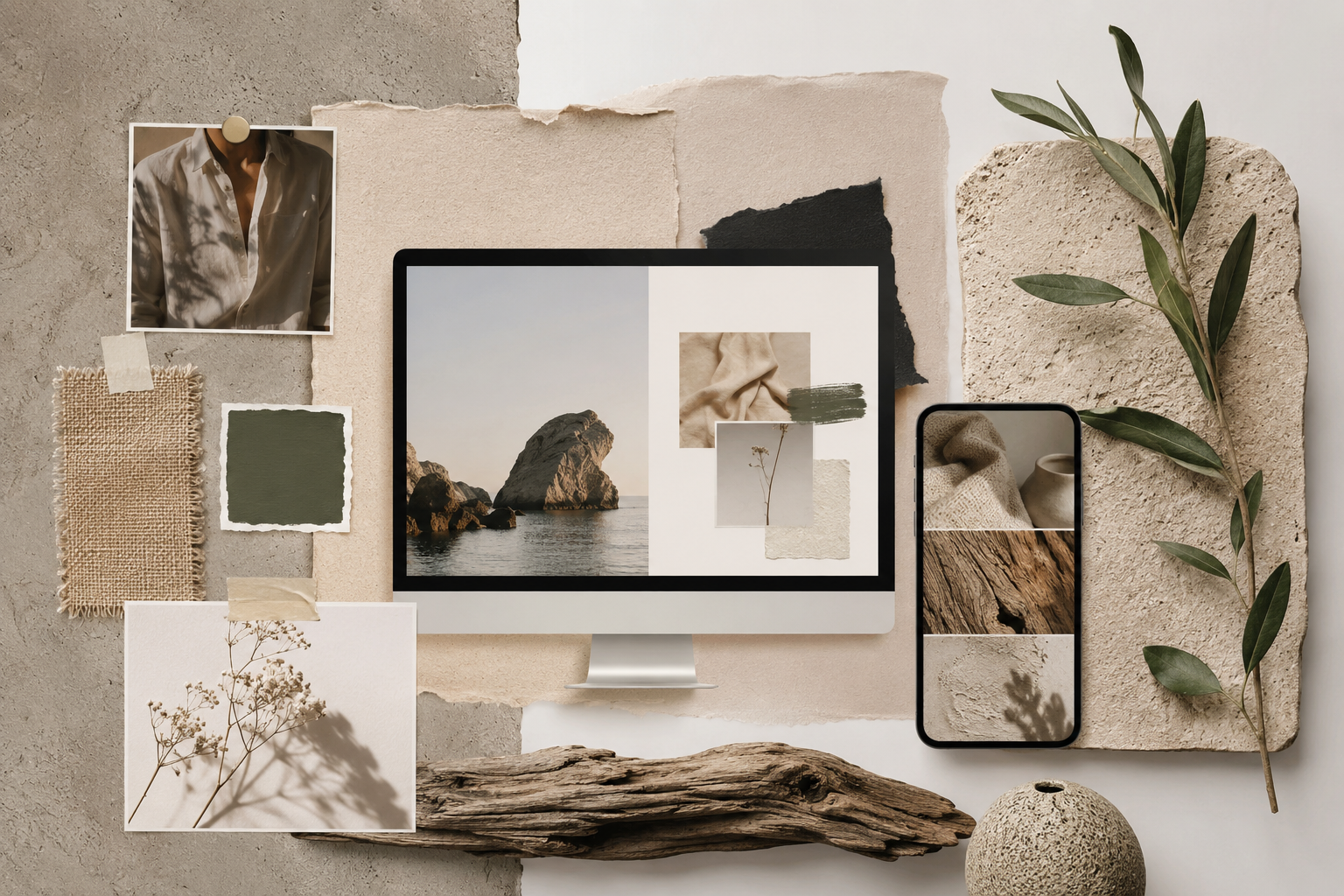
Raw Authenticity Trends help brands appear more approachable and trustworthy. Instead of using perfect stock visuals and robotic layouts, designers now include:
- Organic textures
- Hand-drawn graphics
- Natural photography
- Imperfect typography
- Human-centered storytelling
- Minimal editing styles
These elements make websites and digital products feel alive rather than machine-made.
A modern audience values honesty more than perfection. Even large brands have started moving toward more authentic branding because users respond positively to realistic experiences.
The Rise of Imperfect Visual Design
Perfect symmetry and flawless graphics once dominated digital platforms. Today, designers intentionally add imperfections to create personality and warmth.
This includes:
- Rough textures
- Grainy backgrounds
- Handwritten fonts
- Asymmetrical layouts
- Visible brush effects
- Natural shadows
These details create a handcrafted feeling that attracts users emotionally. Many successful brands now combine modern UI with artistic imperfections to balance professionalism and creativity.
Raw Authenticity Trends continue growing because audiences prefer relatable visuals over cold corporate design.
Human Centered Design Creates Better User Connection
Modern digital experiences are becoming more emotional and personal. Human centered design focuses on understanding how users feel while interacting with websites or apps.
Authentic design improves user connection because it feels familiar and welcoming. Instead of overwhelming users with aggressive animations and complex visuals, designers now prioritize clarity and comfort.
Key characteristics of human centered design include:
- Easy navigation
- Natural reading flow
- Clear messaging
- Emotional storytelling
- Soft visual experiences
- User focused layouts
These design choices improve engagement while making visitors stay longer on websites.
How Brands Use Raw Authenticity Trends
Many companies now use authentic branding strategies to build stronger communities online. Social media platforms especially reward content that feels natural and relatable.
Brands use Raw Authenticity Trends in several ways:
Authentic Photography
Instead of highly edited studio photos, brands now use realistic lifestyle images. These visuals feel more human and believable.
Behind the Scenes Content
Businesses share work processes, team moments, and creative development to build transparency.
Organic Color Systems
Muted earthy colors and natural palettes create emotional warmth. Vibrant but balanced color systems also help brands stand out while maintaining authenticity.
Simple Storytelling
Modern audiences prefer direct and meaningful communication. Brands now focus on honest messaging instead of exaggerated marketing language.
Raw Authenticity in Website Design
Website design has changed dramatically over the past few years. Many websites now combine minimalism with expressive visual elements.
Popular website features include:
- Textured backgrounds
- Layered visuals
- Bold typography
- Mixed media graphics
- Soft animations
- Real human imagery
These elements improve visual storytelling and create memorable user experiences.
Designers also avoid making websites feel overly corporate. Instead, they create digital environments that reflect creativity and personality.
Raw Authenticity Trends work especially well for creative agencies, fashion brands, artists, startups, and personal brands because authenticity strengthens emotional branding.
The Role of Emotional Design
Emotional design has become one of the strongest parts of modern digital experiences. Users remember how a website makes them feel more than how technically advanced it looks.
Authentic design creates emotions such as:
- Trust
- Comfort
- Curiosity
- Inspiration
- Creativity
- Connection
Brands that create emotional experiences often build stronger customer loyalty.
Modern users want digital experiences that feel personal. This is why Raw Authenticity Trends continue influencing UI design, branding, and content creation worldwide.
Authentic Typography and Visual Identity
Typography plays a major role in modern digital aesthetics. Clean but expressive fonts help brands communicate personality more effectively.
Popular typography trends include:
- Handwritten fonts
- Oversized headings
- Mixed font combinations
- Imperfect lettering
- Artistic text layouts
These styles create stronger visual identity while making websites feel more original.
Designers now avoid making every design look identical. Unique typography helps brands appear memorable in a crowded digital market.
Why Users Trust Authentic Brands
Trust has become one of the most valuable assets online. People are more likely to support businesses that communicate honestly and visually reflect real experiences.
Authentic branding improves:
- User engagement
- Audience retention
- Brand loyalty
- Social sharing
- Website interaction
- Customer trust
Users often connect emotionally with brands that show personality instead of perfection.
This explains why Raw Authenticity Trends are becoming a long term movement rather than a temporary design style.
The Future of Raw Authenticity Trends
Digital design continues evolving rapidly. AI tools, automation, and advanced editing technologies are becoming more common every year. At the same time, audiences increasingly crave human creativity and emotional experiences.
Future design trends may include:
- More handcrafted visuals
- Interactive storytelling
- Personalized user experiences
- Organic 3D elements
- Immersive spatial interfaces
- Emotion driven branding
Designers will continue blending technology with human creativity to produce more meaningful digital experiences.
The future of digital design will likely focus less on perfection and more on emotional impact.
Conclusion
Modern digital audiences want experiences that feel honest, creative, and human. Overly polished visuals no longer create the same emotional connection they once did. Brands now succeed by embracing individuality, storytelling, and natural aesthetics.
Raw Authenticity Trends are reshaping modern digital design because they create stronger emotional engagement and build genuine trust with users. From imperfect typography to realistic photography and human centered interfaces, authenticity now plays a major role in successful branding.
Businesses that adopt authentic design strategies can build deeper audience relationships while standing out in a highly competitive online world. As digital experiences continue evolving, authenticity will remain one of the most powerful tools in modern creative design. In modern discussions around Design Trends Overview, this shift clearly shows how authenticity is now shaping every layer of visual communication.
Many professionals also explore Why Become Designerpreneur as they realize that modern design freedom allows independent creators to build powerful personal brands.
At the same time, we are entering an Era of Creative Freedom where designers are no longer limited by strict rules and can fully express individuality through digital experiences.